
How I Plan a Football Weekend Abroad
If you've ever sat watching a Champions League, Serie A, La Liga or Bundesliga game on the telly and thought "I'd love to go to one of those grounds" — but had no idea where to start — this is for you.
To anyone who has never experienced a football game abroad and always wondered how you actually do it: it's easier than you think. There's no secret club, no special contacts, no need to remortgage the house. With a bit of planning, a phone, and a free weekend, you can be sitting in a European stadium watching live football for less than a night out in most English cities.
I've been doing this for a while now and I've got the process down to a system. It works every time, whether I'm heading to Prague, Amsterdam, Milan, or Lisbon. Here's exactly how I build my football weekends from scratch — step by step — so you can do it too.
No holidays used, just memories made. That's the Groundhopr way.
Find the Fixtures
Everything starts with a free weekend and a bit of scrolling. I don't overthink it — I'll pull up the European fixture lists for the weekend I've got free and just browse. I'm looking for anything that jumps out: a derby, a big rivalry, a team I've never seen before, or — ideally — two matches in the same city so I can make the most of the trip and squeeze in more than one ground.
Cities like Prague, Milan, Rome, Madrid, and Lisbon regularly have two or three clubs playing on the same weekend, which is the sweet spot. Two matches for the price of one set of flights and one hotel. That's how you get the most out of a weekend.
Sometimes it's a specific game that catches my eye — a relegation playoff, a title decider, or a derby I've always wanted to tick off. Other times it's just a city I fancy visiting and I'll see what's on while I'm there. I also watch a lot of football travel content for inspiration — channels like The Padded Seat and Location Football Away are brilliant for discovering grounds and cities you'd never have thought of. Their content has sent me down more than a few rabbit holes that ended with me booking flights. There's no formula. That's part of the fun. You scroll, something grabs you, and suddenly you're planning a trip.
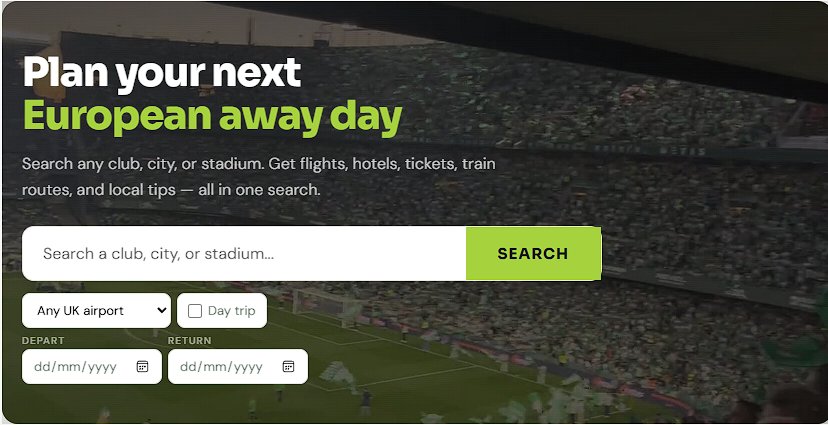
For finding fixtures, Groundhopr lets you search by city or club and see what's coming up. Beyond that, the individual league websites are reliable — La Liga, Serie A, Bundesliga, and Eredivisie all publish their fixtures well in advance. For the really obscure lower-league stuff, Transfermarkt is gold — you can find fixtures for almost any professional league in the world.
This is why I wanted to make Groundhopr — to make the whole process of planning a football weekend abroad as easy as possible, all in one place.
Need inspiration for your next trip? Check out The Padded Seat and Location Football Away on YouTube. Both channels cover European football travel and are a great way to discover grounds and cities you'd never have thought of.
Fixtures in most European leagues are usually confirmed 2-4 weeks before the matchday. Don't try to plan months ahead — the dates will change. Keep an eye on fixtures and be ready to book when they're confirmed.
Book the Flights
Once I know where I'm going, here's my strategy: I wait for the fixture I want to attend to be confirmed for that weekend. The thing is, in most European leagues the exact day and kick-off time sometimes isn't confirmed until two weeks before — a Saturday 3pm can become a Sunday evening for TV. So what I do is book flights from Friday to Monday well in advance. This locks in cheaper prices on both the flights and the hotel, and it means I'm covered no matter which day the match lands on. I'm not going to miss a game because the league moved it 48 hours before kick-off.
I use Skyscanner or Google Flights to find the cheapest return. I search from my nearest airport — or "All London airports" if I'm flexible. Ryanair, Wizz Air, and easyJet are the go-to airlines for European football trips. You can fly to most major European cities for £30-80 return if you book a few weeks out and travel carry-on only.
I always go carry-on only. A small backpack with a spare shirt, a phone charger, and your essentials is all you need for one or two nights. Paying for checked luggage on a budget airline defeats the point.
On timing, I'll either go for a Friday afternoon or evening flight — straight after work, no holiday used — or, if nothing decent fits, the earliest flight I can get on the Saturday morning. Either way, the goal is the same: get out there as early as possible to make the most of the weekend, without eating into work time or burning annual leave.
Set up price alerts on Skyscanner for your route. Prices fluctuate daily and you can save £20-30 by booking on a cheaper day. Midweek flights are almost always cheaper than Friday/Sunday.
Get Your Match Tickets
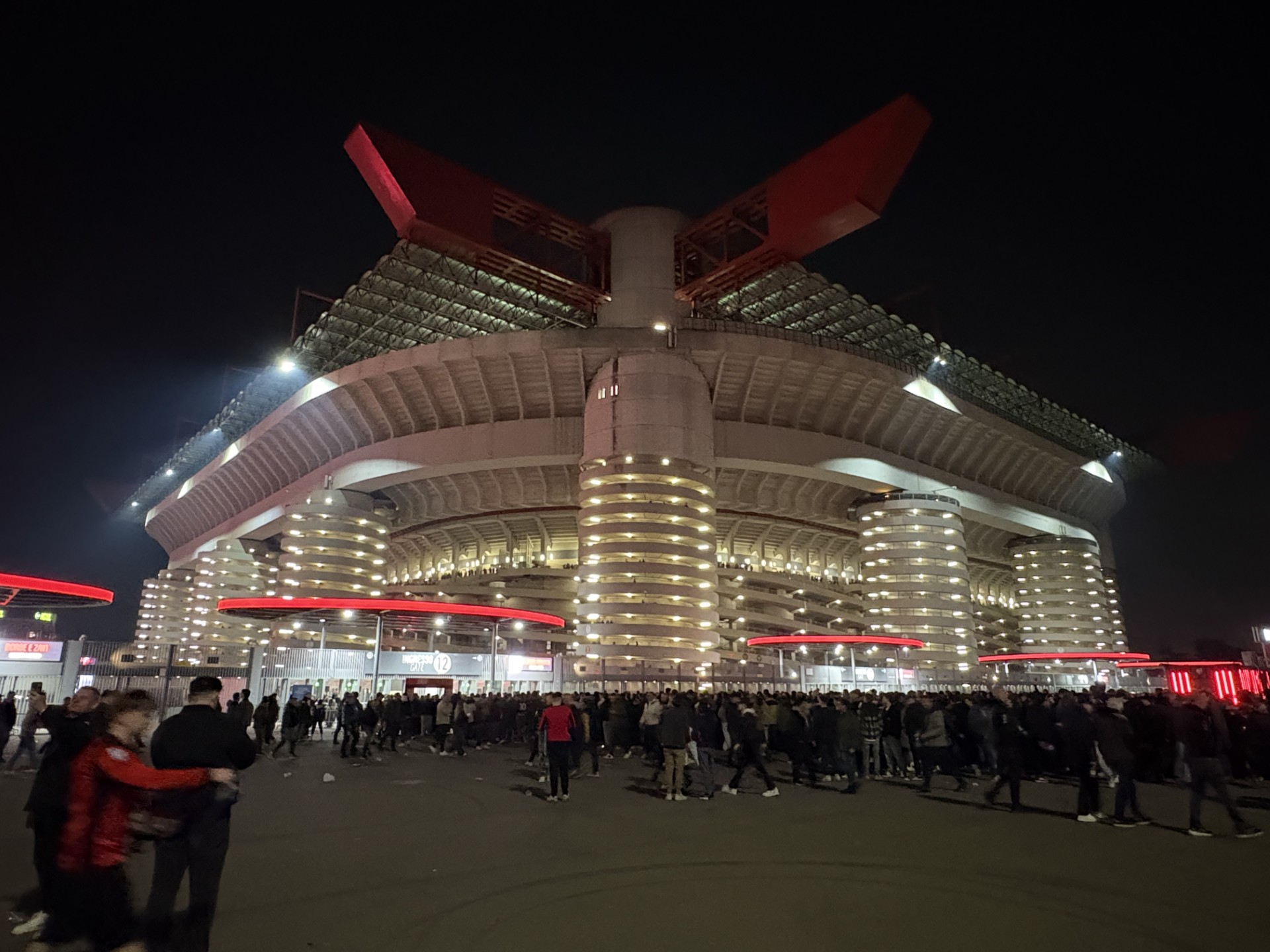
This is the bit that puts most people off — but it's honestly not that hard. Every club does it differently, but the process usually falls into one of these categories:
Buy online from the club website or app. Most European clubs sell tickets directly through their official site. Some require you to create an account first — Slavia Prague, for example, has its own app you need to download. It takes five minutes and then you can buy normally. Tickets are almost always cheaper than anything you'd pay in England.
Buy on the gate. For smaller clubs and lower-league matches, you can often just turn up and pay cash at the turnstile. Dukla Prague, for example, was £8 on the gate. No booking, no app, no fuss. This works for most clubs outside the top tier.
Third-party resellers. For the really big matches — El Clásico, the Milan derby, top Champions League nights — tickets sell out fast through official channels. In those cases, my go-to is P1 Travel. They specialise in football tickets across Europe and are a reliable first port of call when official sales have closed. Beyond that, sites like StubHub or Viagogo can work too, but you'll pay a premium. For most regular league matches though, you won't need a reseller.
My biggest tip for tickets: once you've decided on the club or clubs you want to go and see, get on their website straight away and sign up for everything — create an account, opt into email notifications, download the app if they have one. Then check. Check every day. Check in the morning, check before bed. Ticket release dates aren't always announced and sometimes they just quietly go on sale. Being signed up and ready means you're first in the queue when they drop. This approach has never let me down — I've never missed out on a ticket doing it this way.
Always check the club's official website first. Resellers charge 2-3x face value. Most European league matches — even big ones — are available direct from the club if you buy early enough.
Sort Your Accommodation
I use Booking.com for most trips. Filter by price, check the location on the map, and make sure you're near a metro or tram stop. For a football weekend you don't need anything fancy — you're not going to be spending much time in the room. A clean, central hotel or hostel is all you need.
The beauty of Booking.com is that most hotels offer free cancellation, and you can move your dates about very easily if the fixture changes or your plans shift. Book early to lock in a good price, and if something changes, you adjust it in a couple of taps. No stress, no money lost.
Location matters more than luxury. Being in the city centre means you're close to the bars, the transport, and the atmosphere. You'll also spend less on taxis and Ubers if you can walk to the main areas.
For solo travellers, hostels are brilliant value — a dorm bed in most European cities is £10-20 a night and you'll meet other people doing the same thing. For groups, an Airbnb or budget hotel often works out cheaper per head.
Book accommodation with free cancellation where possible. Fixtures change, plans change, and you don't want to be stuck with a non-refundable hotel for a match that's been moved to a different weekend.
Getting Around
Most European cities have excellent public transport — metros, trams, and buses will get you anywhere you need to go for a couple of quid. Google Maps is your best friend — just type in the stadium name and it'll tell you exactly which metro line or tram to take.
Some cities sell multi-day travel passes that are worth picking up. Prague does a 72-hour pass for about £11 that covers everything including the airport bus. Amsterdam has the GVB pass. Rome has the Roma Pass. They save money and mean you don't have to mess about buying individual tickets every time you hop on a tram.
For getting from the airport to the city, always check if there's a bus or train before you grab a taxi. Airport buses in most European cities cost £1-3 and run regularly. A taxi will cost 10x that.
Matchday Itself
This is the best bit. Give yourself time to enjoy it — don't rush straight to the ground. Find a local bar near the stadium, have a pre-match beer, soak up the atmosphere. Watch the fans arriving, listen to the chanting building. This is the stuff you don't get watching on TV.
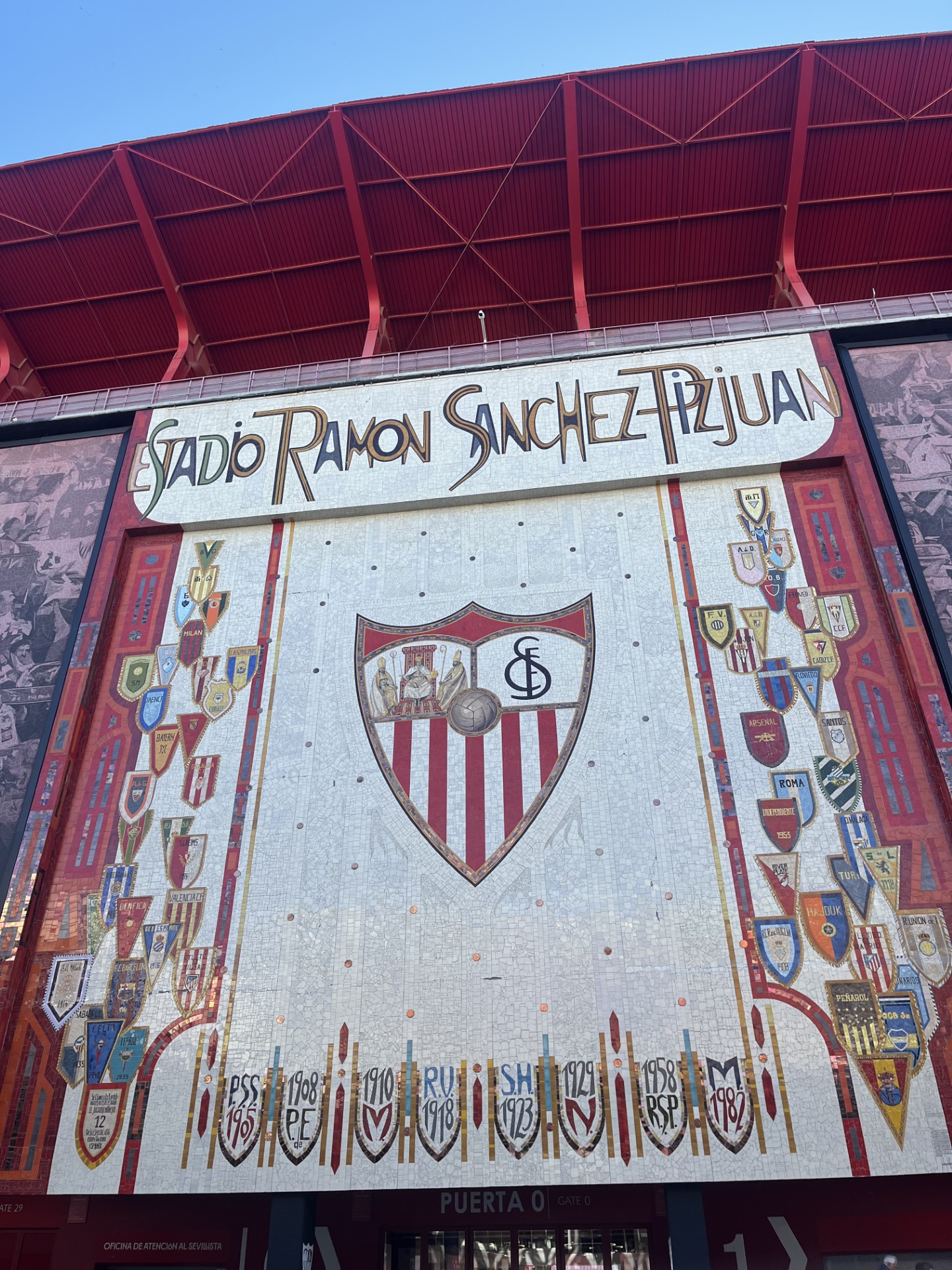
Get to the ground with time to spare. Walk around the outside, take photos, and find the club shop. I always like to buy a souvenir scarf from every ground I visit — my wall at home is full of them. It's become part of the ritual now, and each one brings back the memories of that trip. Most European club shops are open on matchdays and scarves are usually £10-15.
And don't be afraid to go on your own. Some of my best football trips have been solo. You move at your own pace, you talk to locals, and you experience everything on your own terms. Football is universal — you don't need to speak the language to enjoy a goal.
Don't be afraid to go on your own. Some of my best trips have been solo. Football is universal — you don't need to speak the language to enjoy a goal.
What Does It Actually Cost?
This is the question everyone asks, and the answer is always less than people expect. A typical European football weekend looks something like this:
That's a full weekend abroad — flights, hotel, a live football match, food, beer, and a city to explore — for anywhere between £80 and £240. Compare that to a Premier League away day where the ticket alone is £30-50, the train is another £50, and a pint at the ground costs more than a meal in Prague.
Eastern European cities (Prague, Budapest, Krakow, Bucharest) are the cheapest. Western Europe (Amsterdam, Milan, Madrid) costs a bit more but is still great value compared to England. The point is: it's not expensive. It's just different.
What I Pack
For a weekend trip, I take a cabin-sized bag that fits within the free carry-on allowance for Ryanair, easyJet, and Wizz Air. No checked luggage, no extra fees. Spare shirt, underwear, socks, and you're sorted. The bag I use is on the Travel Essentials page and it's been on every trip I've done.
Comfortable trainers are non-negotiable. You'll walk more than you think — between the city centre, the stadium, the bars, and getting lost down some cobbled side street because the architecture caught your eye, you're easily doing 15-20,000 steps a day.
A portable charger and a European adapter with USB plug-ins. This one sounds boring but it's essential. You're using your phone for maps, tickets, photos, and transport apps all day. The adapter I use has multiple USB ports so I can charge my phone and headphones at the same time — saves carrying multiple chargers.
Hydration tabs are a genuine game changer. Whether you've been on your feet all day in the heat or you need them the next morning after one too many Czech lagers, they will save you. Drop one in a bottle of water and you feel human again. I don't travel without them now.
For a day trip, I travel even lighter. I use a backpack with a built-in hoodie — it's a really clever bit of kit. The hoodie is part of the bag so it doesn't count as a separate item, meaning you've got a warm layer for the evening without using up your carry-on allowance. It's a loophole and it works every time.
All of the kit I use and recommend is on our Travel Essentials page.
Mistakes I've Made (So You Don't Have To)
Not checking fixture confirmations. I once booked flights for a match that got moved to a different weekend. Now I never book until the fixture is confirmed by the league.
Leaving tickets too late. For big derbies and popular matches, tickets can sell out weeks in advance. Buy as soon as they go on sale.
Staying too far from the centre. Saving £10 on a hotel that's 45 minutes from the city centre isn't worth it. You'll spend the difference on taxis anyway.
Overcomplicating it. Your first trip doesn't need to be a four-city, six-match extravaganza. Pick one city, one match, one weekend. Keep it simple and enjoy it. You'll be hooked after that.
Your first trip doesn't need to be a four-city, six-match extravaganza. Pick one city, one match, one weekend. Keep it simple. You'll be hooked.
Just Go
The hardest part of your first football trip abroad is convincing yourself to do it. Once you've done one, you'll wonder why you didn't do it sooner. The flights are cheap, the tickets are affordable, the beer is cold, and the atmosphere in European stadiums is something else entirely.
You don't need a group. You don't need to speak the language. You don't need a massive budget. You just need a free weekend and a bit of curiosity. That's how every great football trip starts.
No holidays used, just memories made.
Let Groundhopr Do the Work
If all of this still sounds like a lot of planning, we've built something to make it even easier. Groundhopr has an AI-powered trip planner that does the heavy lifting for you. Tell it where you want to fly from, pick a club or city, and it'll build you a complete matchday plan — flights, accommodation suggestions, how to get tickets, local transport tips, pre-match pubs, and things to do between games. It pulls together everything you'd normally spend hours researching across ten different tabs into one clear plan in seconds.
Think of it as having a mate who's already been to every ground in Europe and can tell you exactly how to do the trip. Except it's available at 2am when you're three beers deep and suddenly decided you're going to Milan next weekend.
Ready to plan your first football weekend?
Search any European club on Groundhopr and we'll help you build your trip — flights, hotels, tickets, and local tips.
Search on Groundhopr →